Choosing a wedding band is about more than finding a ring that looks beautiful; it’s about finding a style that feels right for your relationship and fits the way you live. Some couples prefer timeless metals and simple profiles, while others want details that make their rings feel completely personal.
This article will explore current wedding band trends that offer plenty of room for both approaches, from mixed metals to vintage-inspired details.
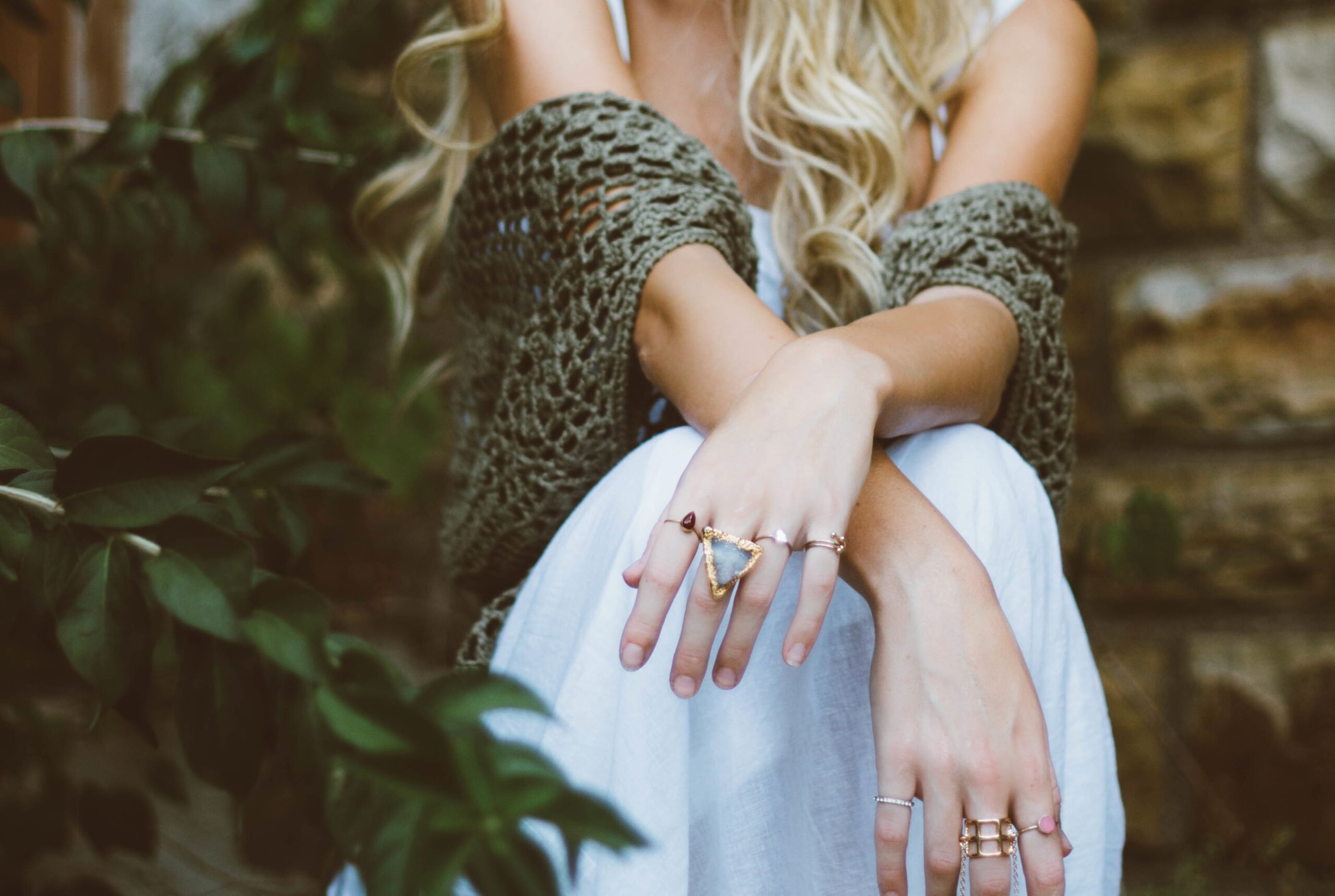
Mixed-metal wedding bands bring together two or more metal colors in one design. Yellow gold paired with white gold is a classic combination, while rose gold can add a warmer contrast. Another benefit is versatility. A mixed-metal band can complement jewelry made from different metals, making it easier to wear alongside an engagement ring or other everyday pieces.
Mixed metals can also create a subtle connection between two different styles. One partner might prefer the warmth of yellow gold, while the other favors the cooler look of white gold or platinum. Coordinating metal tones allows both preferences to be reflected without requiring identical rings.
Slim wedding bands continue to appeal to couples who prefer understated jewelry. Their narrow profiles can create a delicate appearance and allow an engagement ring to remain the main focus. They can also be comfortable for people who are not accustomed to wearing rings.
Low-profile designs are especially useful for everyday wear. A band that sits close to the finger is less likely to catch on clothing or interfere with daily activities. A slim band does not have to look plain. Small diamonds, milgrain edges, engraved details, or a softly curved profile can add character while keeping the overall design refined. The result can feel personal without becoming overly ornate.
Not every wedding band needs a completely smooth surface. Brushed finishes, hammered textures, ridged edges, and other surface details are becoming popular choices for couples seeking something distinctive. Texture can also affect how a ring looks in different lighting. A polished surface creates a bright, reflective finish, while a brushed or hammered treatment produces a softer effect. Combining finishes can make a traditional shape feel more modern.
Sculptural bands take this idea further with asymmetrical profiles or distinctive contours. These designs can work well for couples who want their rings to stand apart from more conventional styles while still maintaining a wearable shape.
Vintage-inspired wedding bands offer details that reference earlier jewelry styles without requiring an antique ring. Milgrain edging, engraved patterns, floral motifs, and intricate metalwork can give a new band an established, heirloom-like character.
Art Deco influences are another option. Geometric lines, symmetrical patterns, and carefully placed gemstones can create a strong look with a sense of history. Other designs draw inspiration from Victorian or Edwardian jewelry through softer curves and more decorative details. The appeal of vintage-inspired rings often comes from their sense of individuality; a familiar band shape can feel completely different when paired with an unusual edge or decorative pattern.
Traditional wedding bands are usually rounded and smooth, but modern designs offer many other shapes. Contoured bands can curve around an engagement ring, while curved or notched styles can create a close fit between two rings. Some couples choose bands with flatter edges or more angular profiles, which can create a clean, modern appearance and may appeal to those who prefer architectural jewelry. Comfort-fit interiors can also make a substantial difference, especially when a ring will be worn every day.
The shape should work with both the finger and any other ring worn alongside it, so make sure to try several profiles to understand how different designs feel in practice rather than judging them only by appearance.
Personalization remains one of the most meaningful wedding band trends. A short inscription can turn an otherwise simple ring into something connected directly to the couple. Dates, initials, meaningful words, or private phrases are common choices. Engraving does not have to be visible from the outside; an inscription placed inside the band can remain private between partners.
The available space will usually limit the length of an inscription, so it’s worth choosing the wording carefully and considering how it will look in the available font. A small detail can carry considerable emotional meaning when it reflects something personal to the relationship.
Trends can provide inspiration, but everyday comfort should remain part of the decision. A wedding band will typically be worn often, so its width, profile, metal, finish, and overall construction should suit the wearer. Someone who works with their hands may prefer a streamlined design with fewer raised details. Someone who spends most of their time in an office may have more freedom to choose intricate textures or decorative elements. Neither approach is more appropriate, and the right choice depends on how the ring fits into daily life.
Couples should also think about long-term preferences. A trend may catch the eye today, but a wedding band is meant to become part of everyday life. Looking beyond current fashion can help ensure the design still feels personal years from now.
Couples do not need identical wedding bands to create a sense of connection. Matching one detail can be enough.
Both rings might share the same metal, finish, engraving style, or design element while having different widths and profiles. One ring might feature a wider brushed finish, while the other uses a slimmer polished profile. If both include the same metal or subtle design detail, they can still feel intentionally connected.
The most wearable wedding bands often combine a current detail with a classic foundation. A traditional gold band can gain a modern feel from a textured finish, while a simple platinum band can become more distinctive with a subtle geometric edge.
This balance can help a ring feel contemporary without becoming tied too closely to a particular moment in fashion. It also gives couples more freedom to incorporate trends in small ways rather than committing to a highly distinctive style. Think about which details truly appeal to you rather than choosing a trend simply because it is popular. In the end, a wedding band should reflect your taste and the meaning behind the commitment it represents.
Finding the perfect wedding bands ultimately comes down to balancing personal taste and long-term style. As you begin exploring your options, remember that your choices don’t need to follow strict rules. They just need to fit your life and feel right for you.
Ready to find the ring that speaks to your love story? Contact us today to start your search with confidence.
No, couples can choose completely different bands and still create a coordinated look. Sharing one element, such as the metal or finish, can provide a subtle connection without requiring identical designs.
Consider the band’s width, profile, interior shape, and overall weight, and try on several styles and wear them for a few minutes to see how they feel when your hand moves naturally.
Not necessarily. In fact, mixed-metal designs can make it easier to coordinate with jewelry in different metal colors. They can provide a visual bridge between warm and cool-toned pieces.
Many vintage-inspired details have remained popular for generations. Choosing a classic band shape with a few vintage elements can create a final look that feels distinctive while still retaining lasting appeal.
Starting several months before the wedding can give couples time to compare designs, confirm sizing, consider personalization, and account for any ordering or customization time.