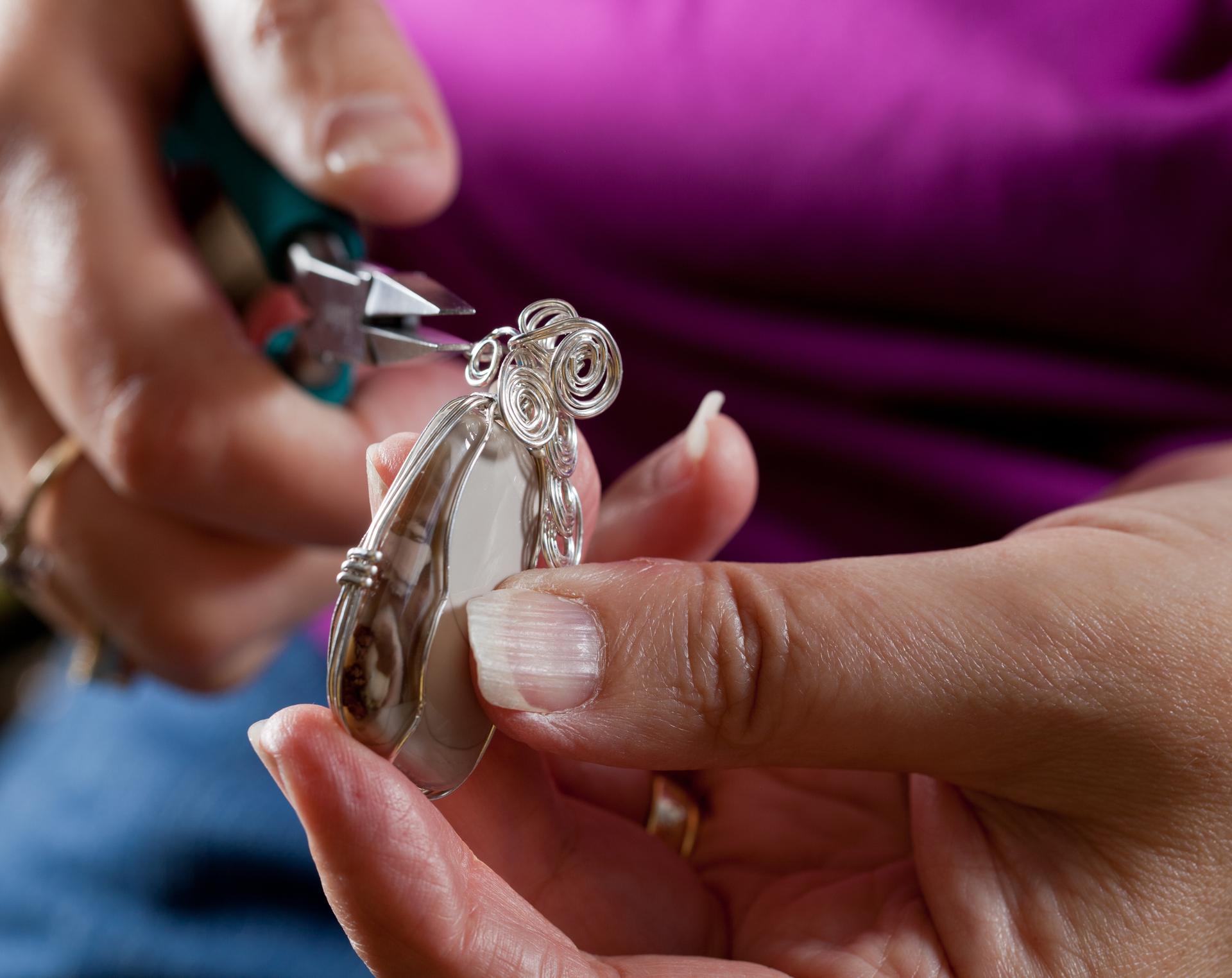
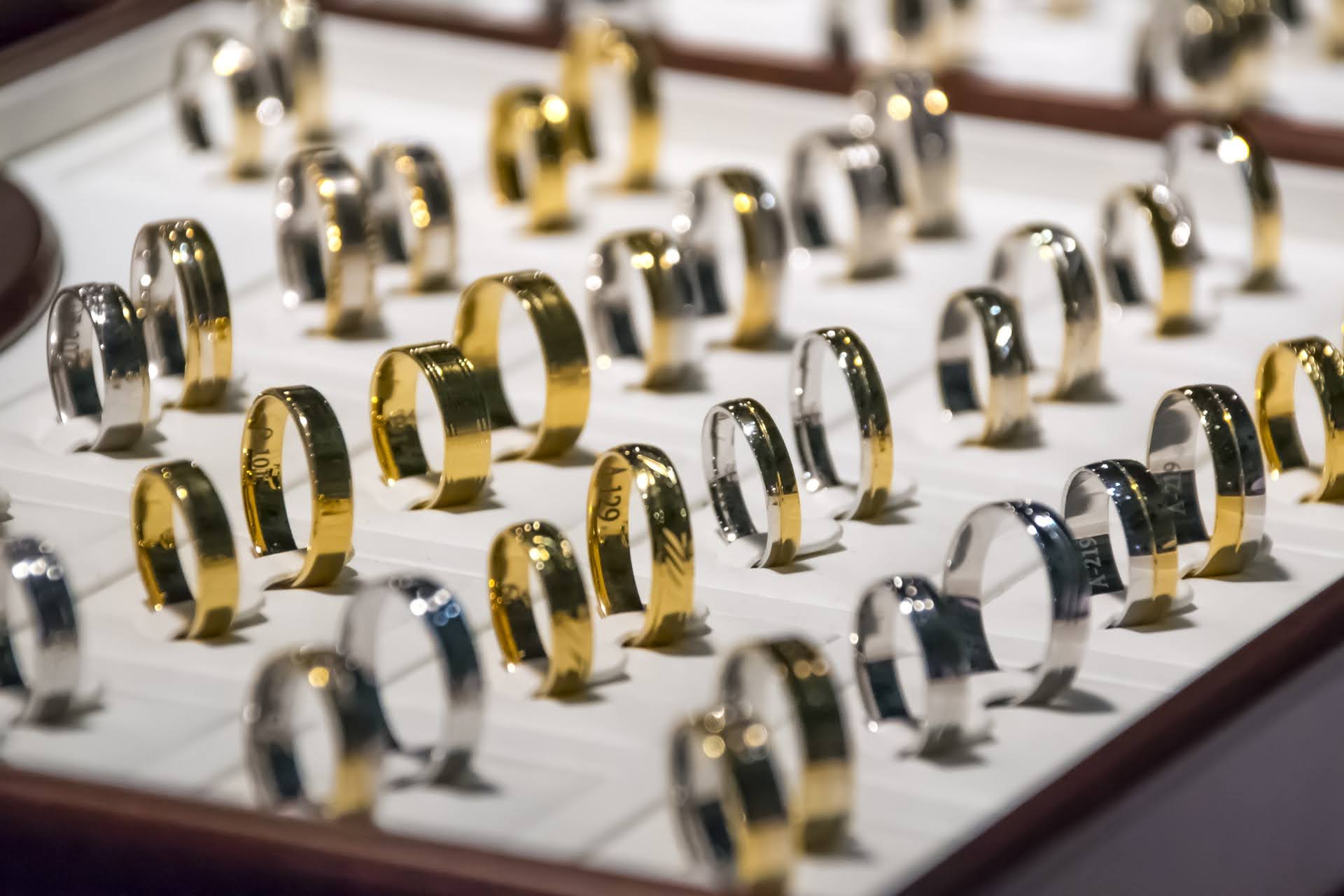
Jewelry has always been personal, but the way people approach it has shifted. What used to be a choice between ready-made options has become, for a growing number of people, a chance to create something that reflects who they actually are. Modern custom jewelry sits at the intersection of craft and self-expression, shaped by trends that draw from both the past and the present. Understanding what those trends look like helps explain why so many people are choosing to be part of the design process rather than simply selecting from what is already on display.
Clean lines and restrained design are everywhere in contemporary jewelry. The appeal is straightforward: a piece that does not try to do too much tends to work with more of what a person already owns and wears. Subtle settings and slim profiles have replaced maximalist excess as the default for a wide range of occasions.
What makes minimalist jewelry interesting from a design standpoint is that simplicity requires precision. When there are no ornate details to draw the eye, the quality of the metalwork becomes the entire statement. For custom work, especially, minimalism puts the skill of the maker on full display.
The trend also reflects a broader shift toward intentionality. People are buying fewer pieces and choosing ones that hold meaning and that they expect to wear for a long time. A custom minimalist piece fits that approach well because it is made exactly to suit the person wearing it, not a general market.
Organic shapes and natural references have found renewed relevance in recent years. Floral forms and textures borrowed from the natural world bring a sense of the outdoors into something worn close to the body, and the appeal crosses different styles. In custom work, this trend opens up meaningful possibilities. A piece might incorporate a shape that holds personal significance, or a texture that references a place that matters to the person commissioning it.
Stones with warm, natural coloring pair well with the flowing shapes that nature-inspired design favors. The result is jewelry that feels grounded rather than ornamental.
Engraving has been part of jewelry for centuries, but modern techniques have made it far more versatile. Precise laser work allows for detail and consistency that opens the door to more complex custom options. Dates and initials are common choices, as are small drawings or symbols that carry specific meaning for the person wearing the piece.
What drives the appeal of personalized detail is not the technique itself but what it represents. A piece that carries a specific date or a handwritten signature holds a kind of meaning that a beautiful but generic piece simply cannot. For milestone gifts and commemorative jewelry in particular, the engraving is often what makes the piece matter most to the person receiving it.
Custom engraving also interacts well with minimalist design. A plain band with a single word engraved on the interior is a classic example of how restraint and personalization can work together. The exterior reads as simple, while the inside carries something private and significant.
There has been a clear movement in recent years away from the idea that a single stone type is the default choice for fine jewelry. Colored gemstones have come back strongly into custom design, and the range of what people are drawn to has expanded considerably. Deep blue sapphires and opals with their shifting play of color are appearing more frequently in custom commissions, alongside a range of other colored stones that would rarely have shown up in mainstream jewelry a generation ago.
Part of what drives this is the desire for something distinctive. A colored stone makes a piece immediately recognizable as not off-the-shelf, which aligns with why people seek custom work in the first place. Color also allows for personal meaning, whether that is a birthstone or a shade that simply resonates with the wearer in a way that a white diamond does not.
The way gemstones are set has evolved as well. Different orientations and mixed stone arrangements give jewelers and clients room to move away from conventional presentations toward something that reflects current sensibilities while still being built to last.
Ethical sourcing and responsible material choices have become genuine priorities for many people commissioning custom jewelry. Recycled precious metals and traceable supply chains are part of how the industry has responded to that interest. For family-owned jewelers with deep supplier relationships, this kind of transparency has always been part of how they work. What has changed is that clients are now asking about it directly and making it a factor in their decisions.
Sustainable choices no longer involve trade-offs in quality or appearance. Recycled gold and platinum behave identically to newly mined metal, and a piece made with these materials is not a compromise. It is simply a different set of priorities applied to the same level of craft and care.
Modern jewelry design is as varied and personal as the people who wear it, and today’s trends make room for a wide range of tastes and values. Reach out to our team to start a conversation about bringing your own design to life.
That depends largely on what the design involves. Minimalist work tends to use less material and labor, which can keep the cost more accessible. More elaborate choices, like large colored gemstones or intricate metalwork, will move the price upward, but the range is genuinely wide.
Yes, and many commissions do exactly that. The whole point of custom work is that the design serves the person wearing it, so combining influences is part of the process rather than an exception to it.
Getting in touch early is always the best approach, since timelines vary considerably depending on complexity and the jeweler’s current schedule.
Yes. Lab-grown stones are chemically identical to naturally occurring ones and are evaluated using the same grading standards. For people interested in this option, the quality is real and the only meaningful difference is how the stone came to exist. Many clients find that knowing the origin of their stone adds to rather than detracts from the piece’s significance.