When people look at a beautiful necklace or a stunning ring, they often focus first on the sparkle of the stones or the shine of the metal. However, the true value of a piece goes far beyond its appearance. During a professional jewelry appraisal, several important details are examined to better understand the piece’s quality, uniqueness, and current market value. Whether a piece is being appraised for insurance, estate planning, resale, or personal knowledge, it helps to understand what professionals look for during the process.
A recognized designer or luxury brand can play an important role in jewelry value. When a piece comes from a well-known maker, it often carries added appeal because of the reputation, craftsmanship, and demand associated with that name. Hallmarks, signatures, and brand markings can help identify the origin of a piece and may influence how it is valued.
Designer jewelry and luxury pieces are often appraised differently than unsigned jewelry because buyers and collectors may place a premium on trusted names. In many cases, brand recognition adds a layer of desirability beyond the materials alone.
Age and era can also affect the value of jewelry. Pieces from specific time periods often reflect the design styles, techniques, and craftsmanship of their era. For example, Art Deco jewelry is often known for bold geometric design, while Victorian pieces are appreciated for their intricate detail and romantic styling.
Older jewelry may carry added interest because of its antique or vintage appeal, but age alone does not automatically make a piece more valuable. The item still needs to be evaluated based on condition, rarity, materials, and overall demand in the current market.
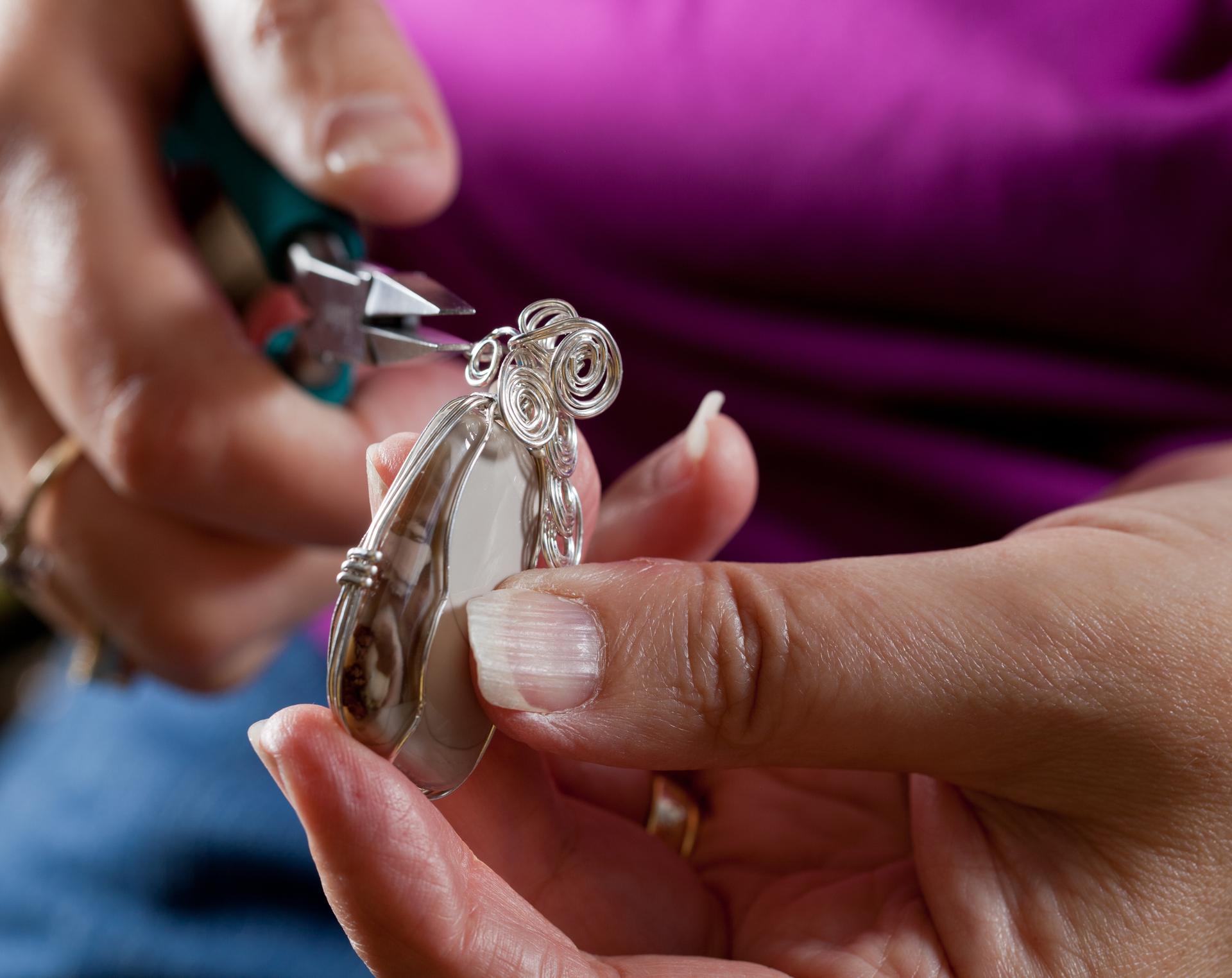
Craftsmanship is one of the most important parts of a jewelry appraisal. The quality of the setting, finishing, stone placement, and overall construction can have a major impact on both durability and value. Well-made jewelry often shows a higher level of care, precision, and long-term wearability.
Custom work and hand-finished details may also add to the uniqueness of a piece. During an appraisal, professionals often look closely at how the item was made and whether the construction reflects a high standard of workmanship.
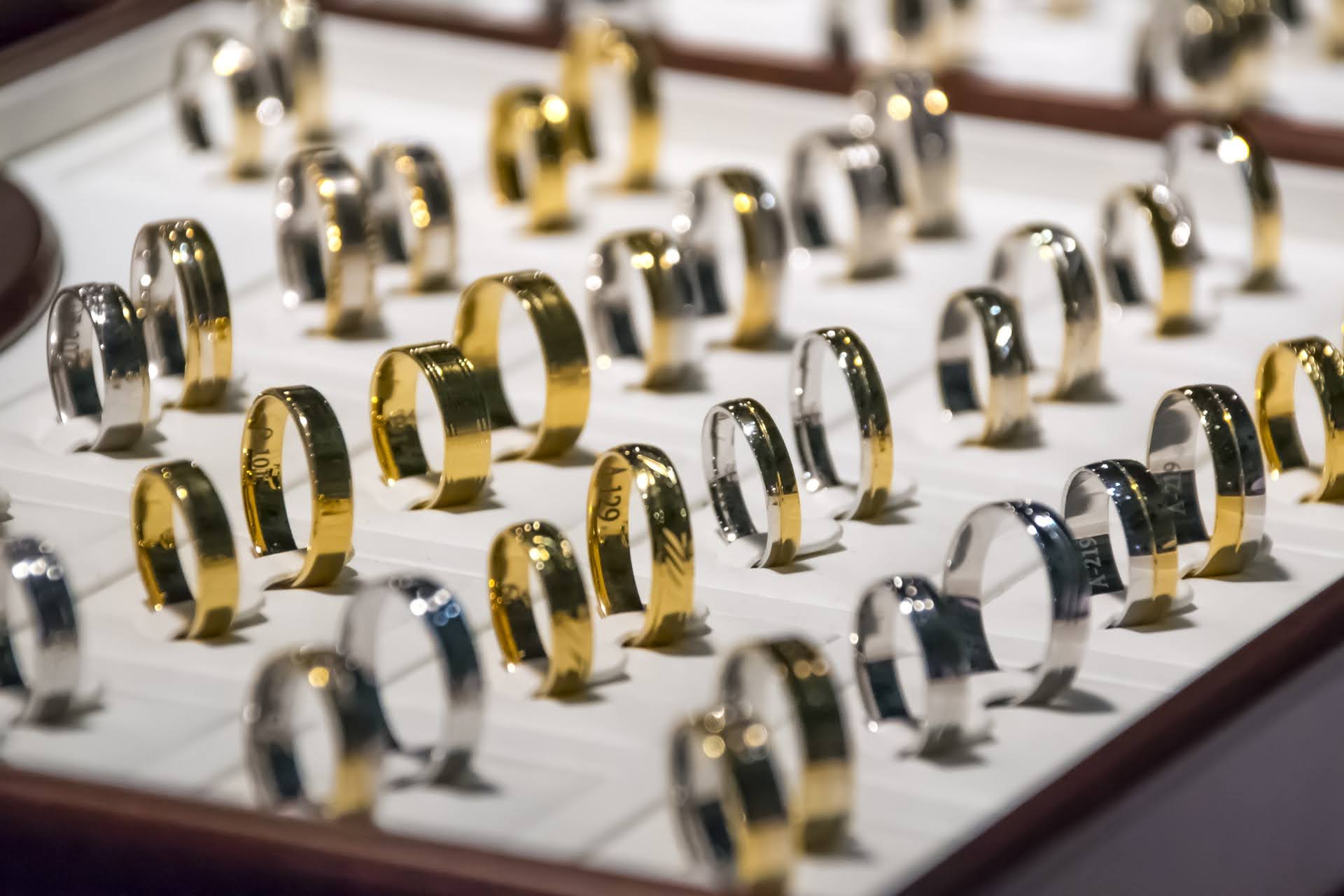
The materials used in a piece can greatly affect its value. Diamonds, colored gemstones, precious metals, and unusual design elements are all considered during the jewlery appraisal process. A piece made with high-quality diamonds, vibrant gemstones, platinum, or higher-karat gold may hold greater value depending on the quality and rarity of those materials.
In some cases, less common stones, natural pearls, or distinctive combinations of materials may make a piece stand out even more. The rarity and desirability of the materials are important factors in understanding what a piece may be worth.
Custom details can make a piece especially meaningful and unique. Engravings, custom settings, redesigns, and one-of-a-kind features may add interest because they set the piece apart from mass-produced jewelry. A custom design often reflects extra care, creativity, and craftsmanship.
That said, custom modifications are usually considered alongside other factors such as overall quality, condition, and market demand. Some personalized details may add sentimental value more than resale value, but they still contribute to the story and individuality of the piece.
Jewelry value is influenced by many factors working together. Brand, age, craftsmanship, materials, condition, and unique design elements can all play a role in how a piece is appraised. A professional jewelry appraisal helps provide a clearer picture of what makes a piece special and how those qualities contribute to its value.
At Gold ’N I Jewelers, appraisals are performed with careful attention to detail so clients can better understand their jewelry for insurance, estate planning, resale, or personal records. Contact our team today to schedule a professional appraisal in Woodland Hills.
People often bring the jewelry item along with any original boxes, receipts, certificates, diamond reports, or previous appraisal paperwork they may still have. These documents can provide helpful background during the appraisal process, although the item itself will still be physically examined.
Jewelry should generally be appraised every two to three years, especially for insurance purposes. Because market values for precious metals, diamonds, and gemstones can change over time, regular updates help keep appraisal records accurate.
Regular gentle cleaning can help keep jewelry in better visible condition and may make details easier to evaluate during an appraisal. However, cleaning does not replace a professional inspection, especially if a piece has loose stones, worn prongs, or other structural concerns.
When people look at a beautiful necklace or a stunning ring, they often focus first on the sparkle of the stones or the shine of the metal. However, the true value of a piece goes far beyond its appearance. During a professional jewelry appraisal, several important details are examined to better understand the piece’s quality, uniqueness, and current market value. Whether a piece is being appraised for insurance, estate planning, resale, or personal knowledge, it helps to understand what professionals look for during the process.
A recognized designer or luxury brand can play an important role in jewelry value. When a piece comes from a well-known maker, it often carries added appeal because of the reputation, craftsmanship, and demand associated with that name. Hallmarks, signatures, and brand markings can help identify the origin of a piece and may influence how it is valued.
Designer jewelry and luxury pieces are often appraised differently than unsigned jewelry because buyers and collectors may place a premium on trusted names. In many cases, brand recognition adds a layer of desirability beyond the materials alone.
Age and era can also affect the value of jewelry. Pieces from specific time periods often reflect the design styles, techniques, and craftsmanship of their era. For example, Art Deco jewelry is often known for bold geometric design, while Victorian pieces are appreciated for their intricate detail and romantic styling.
Older jewelry may carry added interest because of its antique or vintage appeal, but age alone does not automatically make a piece more valuable. The item still needs to be evaluated based on condition, rarity, materials, and overall demand in the current market.
Craftsmanship is one of the most important parts of a jewelry appraisal. The quality of the setting, finishing, stone placement, and overall construction can have a major impact on both durability and value. Well-made jewelry often shows a higher level of care, precision, and long-term wearability.
Custom work and hand-finished details may also add to the uniqueness of a piece. During an appraisal, professionals often look closely at how the item was made and whether the construction reflects a high standard of workmanship.
The materials used in a piece can greatly affect its value. Diamonds, colored gemstones, precious metals, and unusual design elements are all considered during the jewlery appraisal process. A piece made with high-quality diamonds, vibrant gemstones, platinum, or higher-karat gold may hold greater value depending on the quality and rarity of those materials.
In some cases, less common stones, natural pearls, or distinctive combinations of materials may make a piece stand out even more. The rarity and desirability of the materials are important factors in understanding what a piece may be worth.
Custom details can make a piece especially meaningful and unique. Engravings, custom settings, redesigns, and one-of-a-kind features may add interest because they set the piece apart from mass-produced jewelry. A custom design often reflects extra care, creativity, and craftsmanship.
That said, custom modifications are usually considered alongside other factors such as overall quality, condition, and market demand. Some personalized details may add sentimental value more than resale value, but they still contribute to the story and individuality of the piece.
Jewelry value is influenced by many factors working together. Brand, age, craftsmanship, materials, condition, and unique design elements can all play a role in how a piece is appraised. A professional jewelry appraisal helps provide a clearer picture of what makes a piece special and how those qualities contribute to its value.
At Gold ’N I Jewelers, appraisals are performed with careful attention to detail so clients can better understand their jewelry for insurance, estate planning, resale, or personal records. Contact our team today to schedule a professional appraisal in Woodland Hills.
People often bring the jewelry item along with any original boxes, receipts, certificates, diamond reports, or previous appraisal paperwork they may still have. These documents can provide helpful background during the appraisal process, although the item itself will still be physically examined.
Jewelry should generally be appraised every two to three years, especially for insurance purposes. Because market values for precious metals, diamonds, and gemstones can change over time, regular updates help keep appraisal records accurate.
Regular gentle cleaning can help keep jewelry in better visible condition and may make details easier to evaluate during an appraisal. However, cleaning does not replace a professional inspection, especially if a piece has loose stones, worn prongs, or other structural concerns.