Jewelry holds a special kind of meaning. Whether it is a ring passed down through generations, a necklace gifted on a milestone birthday, or a bracelet you wear every single day, these pieces carry stories that go far beyond their sparkle. But because jewelry is worn so close to the body and so often, it naturally takes a lot of wear and tear. Every day life, from washing hands to exercising, gradually takes a toll on even the most carefully made pieces. The good news is that most types of jewelry damage are completely fixable. Understanding what can go wrong and how skilled jewelers bring those pieces back to life can help you feel more confident about caring for the jewelry you love.
Not all jewelry damage looks the same. Some issues are easy to spot, like a missing stone or a broken clasp. Others, like a slightly loose prong, can go unnoticed until something more serious happens. Knowing what to look for can make a real difference in protecting pieces that matter to you.
Prongs are the tiny metal claws that hold a gemstone in place. They may look small, but they do a very important job. Over time, prongs can bend, wear down, or loosen because of regular contact with surfaces like countertops, clothing, and bags. When a prong becomes loose, it no longer holds the stone securely, which puts the gem at risk of falling out completely.
A professional jeweler can carefully re-tip or rebuild worn prongs, restoring their grip on the stone without disturbing the rest of the setting. This kind of repair is one of the most common services a jeweler performs, and it is also one of the most important for keeping your jewelry intact. If you own premium fine jewelry with delicate stone settings, regular prong inspections are a smart habit to get into.
Clasps are the small mechanical parts that open and close necklaces, bracelets, and anklets. Because they are used so frequently, they tend to wear out faster than other parts of a piece. A broken clasp might not seem like a big deal at first, but it is actually a safety issue. If the clasp fails, the entire piece can slip off and be lost.
Jewelers can replace clasps with new ones that match the style and metal of the original piece. In some cases, a clasp can be repaired rather than replaced, depending on how it broke. Lobster clasps, toggle clasps, and spring ring clasps each have different mechanisms, and a skilled jeweler knows how to work with all of them. The result is a piece that opens and closes smoothly again, just as it should.
Gemstones are hard, but they are not indestructible. Even diamonds, which are the hardest natural material, can chip if they are hit at the right angle. Softer stones like opals, emeralds, and pearls are even more vulnerable to surface damage. A chip or scratch can dull the brilliance of a stone and, in some cases, make it more likely to break further if left unaddressed.
When a gemstone chips, a professional gem cutter or jeweler may be able to re-cut and re-polish the stone to remove the damaged area, though this does reduce the size slightly. In other cases, replacing the stone altogether is the better option. A jeweler can help you understand what makes the most sense for your specific piece, balancing the cost of repair against the value and sentiment of the stone.
When you bring a piece of jewelry in for repair, a professional jeweler does not just jump straight to fixing it. The process starts with a careful inspection of the entire piece, not just the obvious area of damage. This is because one problem often reveals other issues that might not yet be visible to the untrained eye. A thorough assessment makes sure that every concern is addressed, so the repair lasts.
Gold, silver, and platinum all develop surface wear over time. Gold can get scratched and lose its shine. Silver tarnishes when it reacts with air and moisture. Platinum, while very durable, can develop a soft patina that some people love but others prefer to restore to a high polish. Jewelers use a combination of polishing tools, buffing wheels, and chemical cleaning methods to bring metal surfaces back to life.
Sizing is another metal-related service that comes up often. Rings, especially, may need to be sized up or down as fingers change over time. A jeweler can add or remove small sections of metal to adjust the fit, then smooth and polish the area so the alteration is invisible. The goal is always to make the ring look and feel as though it were made exactly for you.
Chains break. Links snap. Bangles crack. These kinds of structural failures are very common, especially in pieces that are worn daily. Soldering is the process jewelers use to fuse broken metal parts back together using a metal alloy that melts at a lower temperature than the jewelry itself. When done well, a soldered repair is both strong and nearly invisible.
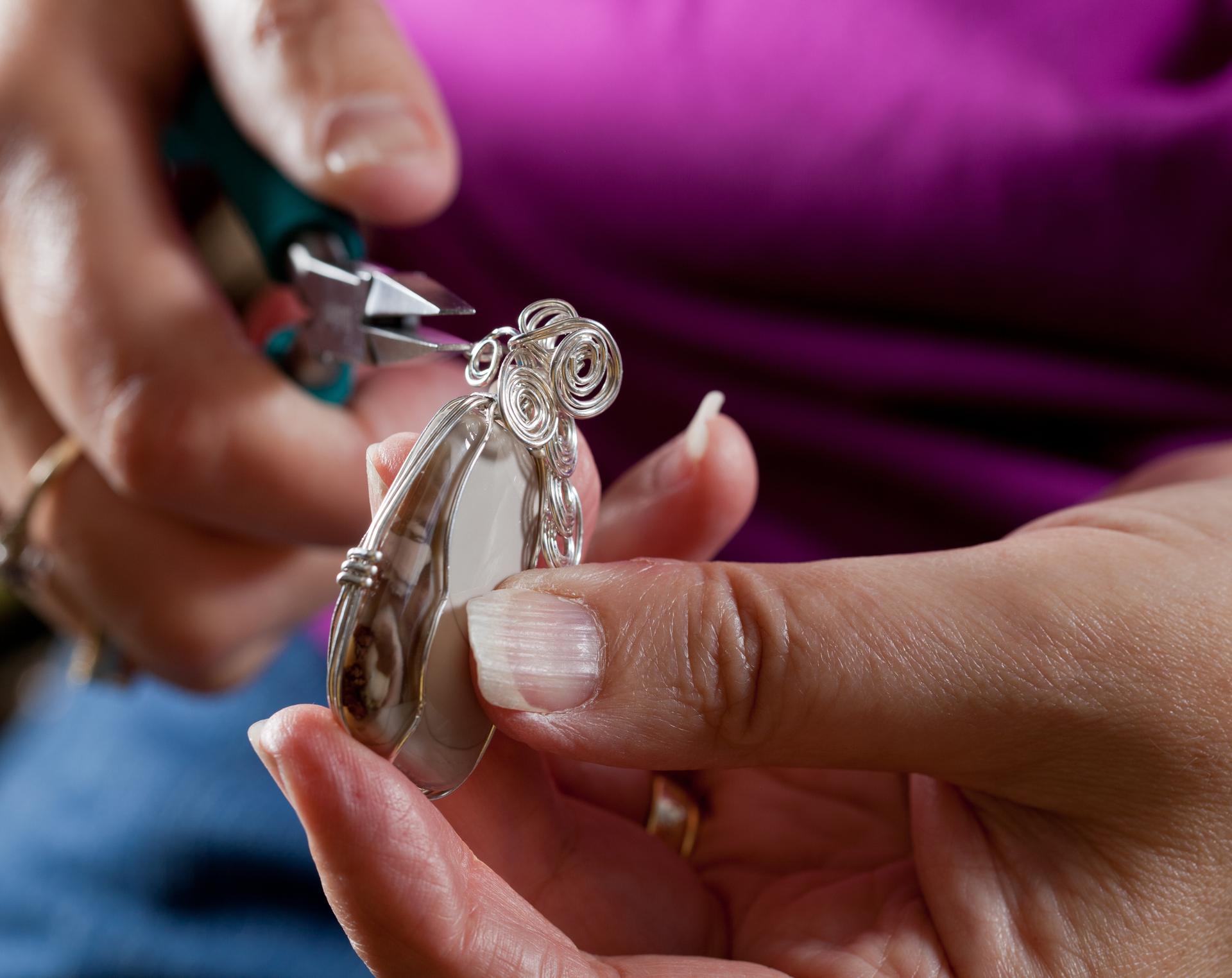
More complex structural issues, like a cracked shank on a ring or a broken hinge on a locket, require more involved work. Jewelers with strong technical skills can rebuild these components, often crafting new parts by hand to match the original design. This kind of hands-on craftsmanship is what separates a true jewelry professional from a basic repair shop.
Every piece of jewelry you own tells a story, and it deserves to be cared for by someone who understands that. Loose prongs, broken clasps, chipped stones, and worn metal are all very normal results of a life well-lived. The encouraging truth is that skilled jewelers can address nearly all of these issues, restoring your pieces to their original beauty and making sure they are safe to wear for years to come. Taking your jewelry in for regular check-ups, not just when something breaks, is one of the best things you can do to protect the pieces that mean the most to you. A little attention now can prevent much bigger problems later, and it keeps your jewelry looking exactly as brilliant as the day you first got it.
If your jewelry needs care or you have questions about a piece you treasure, reach out to our team today and let us help you restore it to its finest form.
It depends on the stone and how severe the chip is. Some stones can be re-cut and re-polished to smooth out the damage, while others are better replaced. A jeweler can assess the stone and walk you through the most sensible options for your piece.
In most cases, yes. Vintage and heirloom pieces often have sentimental value that far exceeds their material worth. Experienced jewelers who specialize in fine jewelry can work with older metalwork and designs, preserving the character of the piece while making it structurally sound again.
Try to keep the stone in a safe place and bring it in along with the piece as soon as possible. In many cases, the original stone can be re-set. A jeweler will inspect both the stone and the setting to determine the best way to restore the piece.