Whether you’ve inherited a family heirloom, purchased a stunning engagement ring, or simply want to understand the value of pieces you’ve collected over the years, getting a jewelry appraisal is an important step in protecting and understanding your investments. Many people feel uncertain about what happens during an appraisal or why they might need one in the first place. The good news is that the appraisal process is straightforward and designed to give you peace of mind about the jewelry you treasure.
At its core, a jewelry appraisal is a professional evaluation that documents the characteristics and estimated value of your pieces. This process involves a trained expert examining your jewelry carefully and providing you with detailed information about what you own. Understanding what to expect can help you feel more comfortable and prepared when you decide to have your jewelry appraised.
Jewelry appraisals serve several valuable purposes in helping you manage and protect your precious items. The most common reason people seek appraisals is for insurance coverage. When you insure your jewelry, your insurance company needs to know the replacement value of each piece to provide adequate coverage. An appraisal gives them the documentation they need and gives you confidence that your jewelry is properly protected.
Beyond insurance, appraisals are useful for estate planning, helping you understand the full scope of assets you’re passing down to future generations. They’re also important when you’re considering selling pieces, as they provide a baseline understanding of value. Even gold buyers often recommend getting an independent appraisal before making transactions, so you can make informed decisions about your jewelry.
When you bring your jewelry in for appraisal, the process typically begins with a conversation about why you need the appraisal and what type of documentation you require. Different purposes may require different types of appraisals, and a professional appraiser will want to ensure they’re providing you with exactly what you need.
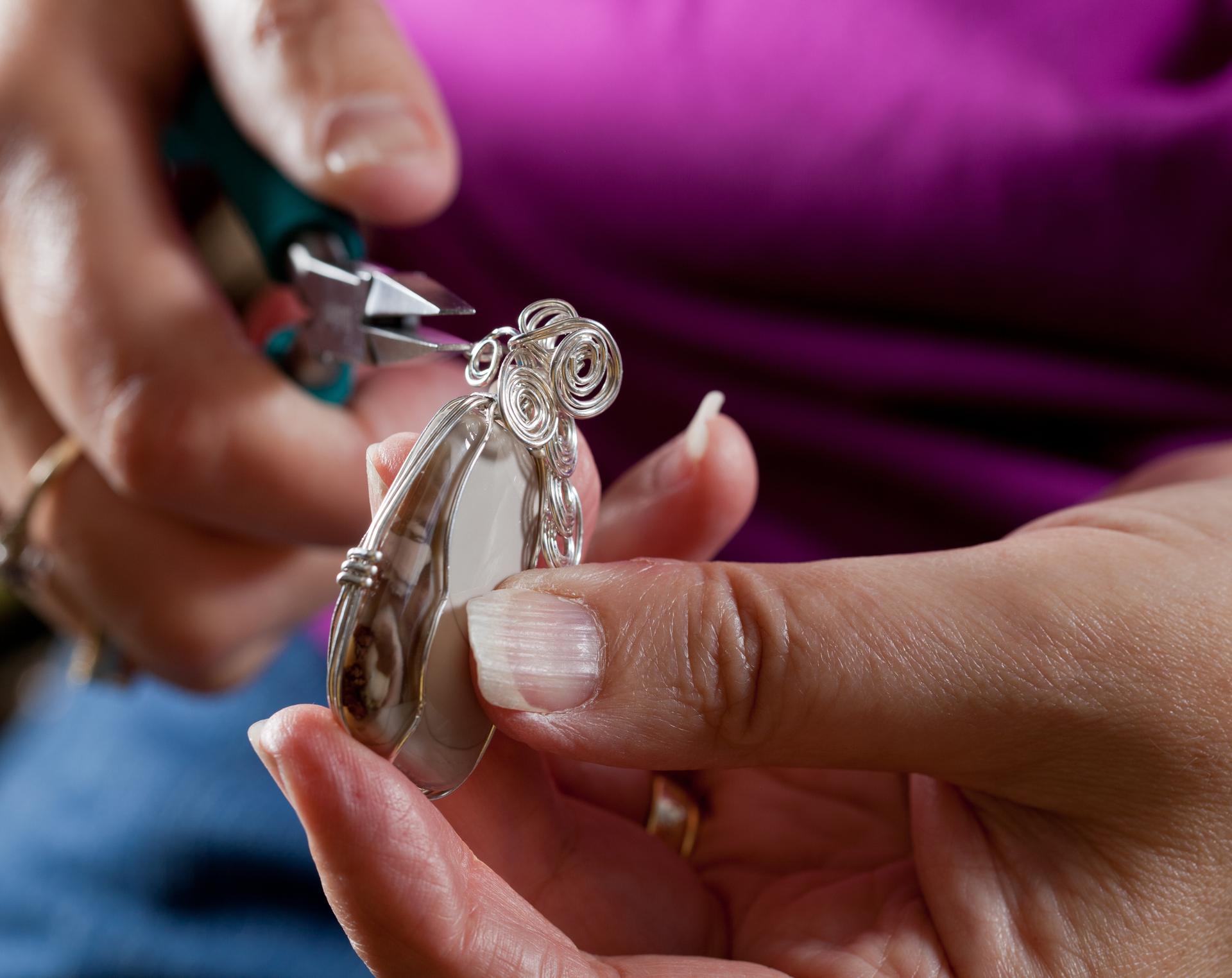
The appraiser will start by carefully examining each piece of jewelry you’ve brought in. This examination involves looking at the overall condition, style, and craftsmanship of the item. The appraiser will note any damage, wear, or unique characteristics that might affect the piece’s value. This is done with specialized tools and equipment that allow for close inspection without causing any harm to your jewelry.
During this phase, you might see the appraiser using a loupe, which is a magnifying tool that helps them see fine details. They may also use scales to determine weight and other instruments to test metals and examine gemstones. The process is methodical and thorough, ensuring that every detail is captured accurately.
After the initial examination, the appraiser will document extensive information about your jewelry. This includes identifying the type of metal, describing any gemstones present, noting the piece’s dimensions and weight, and recording the overall design and construction. The appraiser will also take photographs to include with the written documentation.
This detailed record serves as a fingerprint for your jewelry, making it uniquely identifiable. If your piece were ever lost or stolen, this documentation would be invaluable in helping to recover it or process an insurance claim. The thoroughness of this documentation is what makes professional appraisals so valuable.
Coming prepared to your appraisal appointment can help the process go smoothly and ensure you get the most accurate results. If you have any previous documentation about your jewelry, such as receipts, certificates, or prior appraisals, bring these along. They can provide helpful background information and sometimes include details that support the current appraisal.
It’s also helpful to clean your jewelry gently before your appointment, though your appraiser can certainly work with pieces as they are. Simply having them reasonably clean can make the examination process easier. Most importantly, take time to think about what questions you might have about your jewelry. A good appraiser will be happy to explain their findings and help you understand what makes your pieces special.
Once the appraisal is complete, you’ll receive a detailed report that documents everything the appraiser discovered about your jewelry. This report will include descriptions of each piece, photographs, and the appraised value. The value stated will depend on the purpose of the appraisal, but most commonly reflects the replacement value for insurance purposes.
Your appraisal report is an important document that should be kept in a safe place, separate from your actual jewelry. Many people keep copies in multiple locations or store digital versions securely online. Remember that appraisals can become outdated as market conditions change, so it’s wise to have your jewelry reappraised periodically to ensure your documentation remains current and your insurance coverage stays adequate.
Choosing the right professional to appraise your jewelry makes all the difference in getting accurate, reliable results. Look for appraisers who have formal training and credentials in gemology and jewelry appraisal. A premier jewelry store often has qualified appraisers on staff or can recommend trusted professionals who specialize in this service.
The best appraisers are transparent about their methods and happy to answer your questions throughout the process. They should have no financial interest in buying your jewelry or pressuring you to make any particular decision about it. Their sole focus should be on providing you with accurate, unbiased information about what you own.
Understanding the jewelry appraisal process helps you feel confident about protecting and managing your precious pieces. Whether you’re safeguarding a recent purchase or documenting treasured heirlooms, a professional appraisal provides the knowledge and documentation you need. If you’re ready to learn more about the value of your jewelry collection, we invite you to connect with our team for expert appraisal services tailored to your needs.
The time required depends on how many pieces you’re having appraised and their complexity. A single ring might take less than an hour, while multiple intricate pieces could require several hours or even a separate appointment for each item.
Many appraisers can complete the work while you wait, though some complex appraisals may require you to leave pieces temporarily. Always ask about the appraiser’s policy beforehand and ensure you receive a detailed receipt if you leave items.
Market values and replacement costs can fluctuate over time. While there’s no universal rule, having appraisals updated every few years helps ensure your records remain accurate and your insurance coverage stays appropriate for current market conditions.
While many jewelers offer appraisal services, not all have the specialized training required for formal appraisals. Look for professionals with credentials from recognized gemological organizations who focus specifically on appraisal work.
Appraisals typically reflect replacement value for insurance purposes, which is usually higher than resale value. If you’re interested in selling, the appraiser can often provide guidance about market value, but these are different figures serving different purposes.